Monday, November 19, 2007

S is for Squirrel

I was invited to do a meme listing things I like from the letters of
the alphabet and decided to do book for my grandchildren. Here is
one of its possible pages. Click image to view larger.

I like squirrels more than many people in part becasue I love animals
and in part because I used to be a rehabilitator and this is one of
the squirrels I raised.

Tuesday, November 13, 2007

Witch Hazel Flowers

Witch Hazel is our only local shrub that flowers in the fall, and a
lovely sight it is indeed when all the leaves are gone from the trees
and winter is coming to see all those bright sunny flowers. Yes, I
was planning to subsume this blog into another, but I don't have time
right now.

Thursday, October 25, 2007

Screech Owl

We were very excited last year to see a screech owl in our neighbor's tree.  Last night, we saw one in our own tree--saw it fly to a hole, go inside, come out and fly away.  It would be very exciting if it would nest there.

Wednesday, October 24, 2007

Red Maple


Sometimes it seems as if every single autumn leaf is a work of art. Of course, some are prettier than others. The three central leaves here are red maples, Acer rubrum. NOT the cultivar of Norway maple ("Crimson King etc") that many people call red maple, but real red maples. They are pioneer species, often hybridize with silver maples. Their sap can be boiled down for maple syrup, but it takes twice as much as with sugar maple. Red maples flower very early in the spring with tiny red flowers. They often grow in swamps and bogs and turn color very early--brilliant scarlet.
Posted by Picasa

Thursday, August 09, 2007

Cricket Time

It's dark and warm and the crickets and singing their sweet summer cadence, rising and falling and jingling like summer jingle bells. I'm out walking. When I was walking earlier, the cicadas were singing, a loud raucous din. It was a diurnal sound to this softer nocturnal one. I wanted to stay outside and listen for the change from one to the other. One would think that since I'm 61 years old, I would have heard that transition, but if I have, I cannot recall it at the moment.

Do they overlap each other? Does one stop and the other begin?

I wanted to listen, but I did not. I had things to do inside, and in the air-conditioned house, the cricket and cicada sounds do not come in.

Saturday, March 03, 2007

Sidewalk Saturday: Leaves


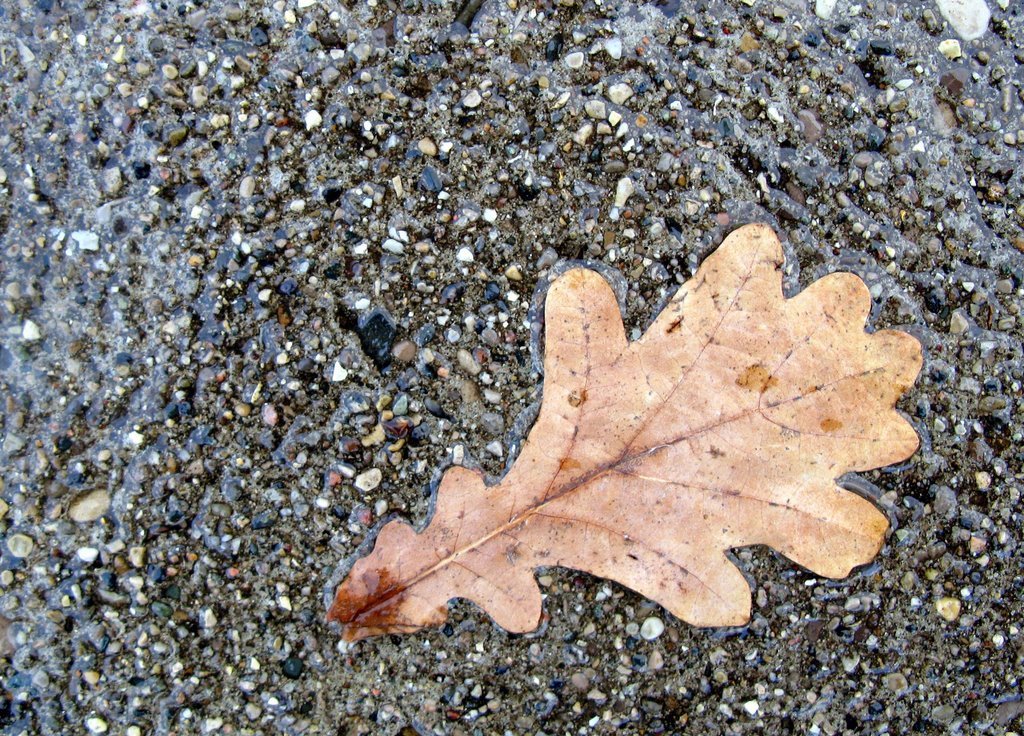
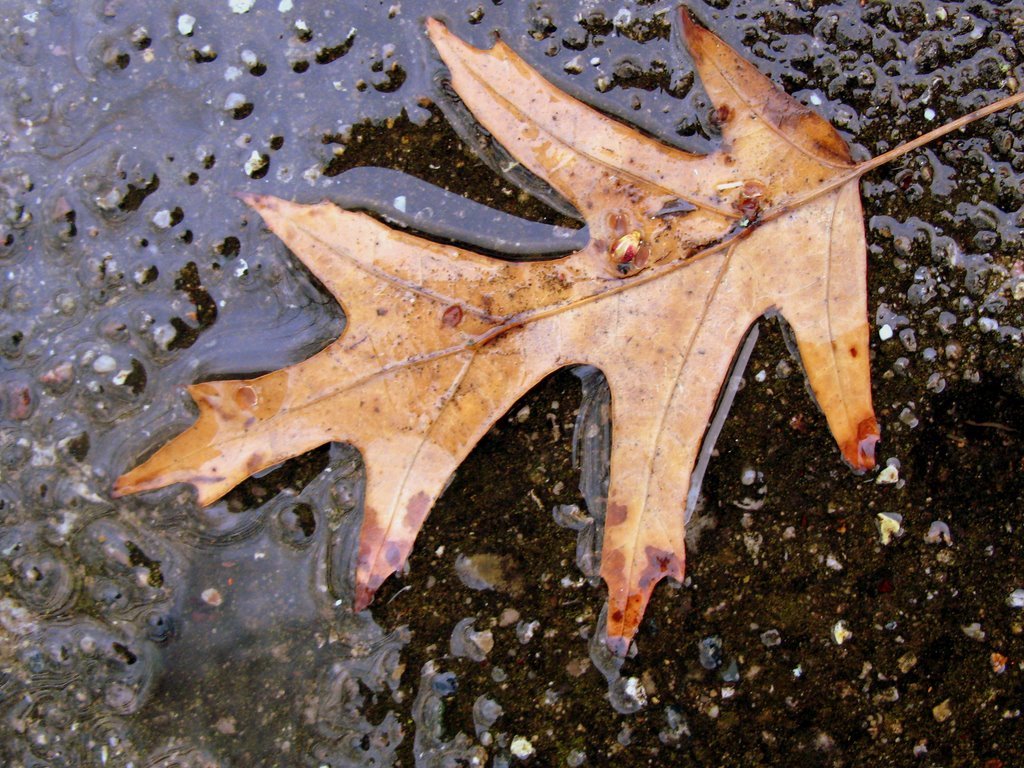
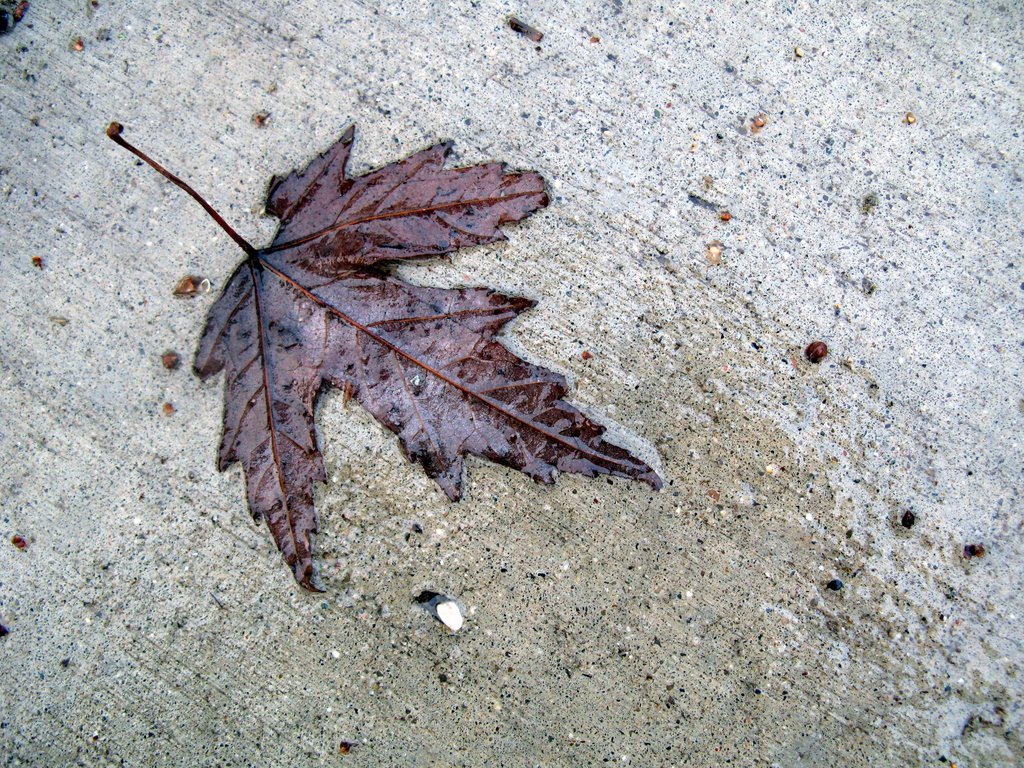
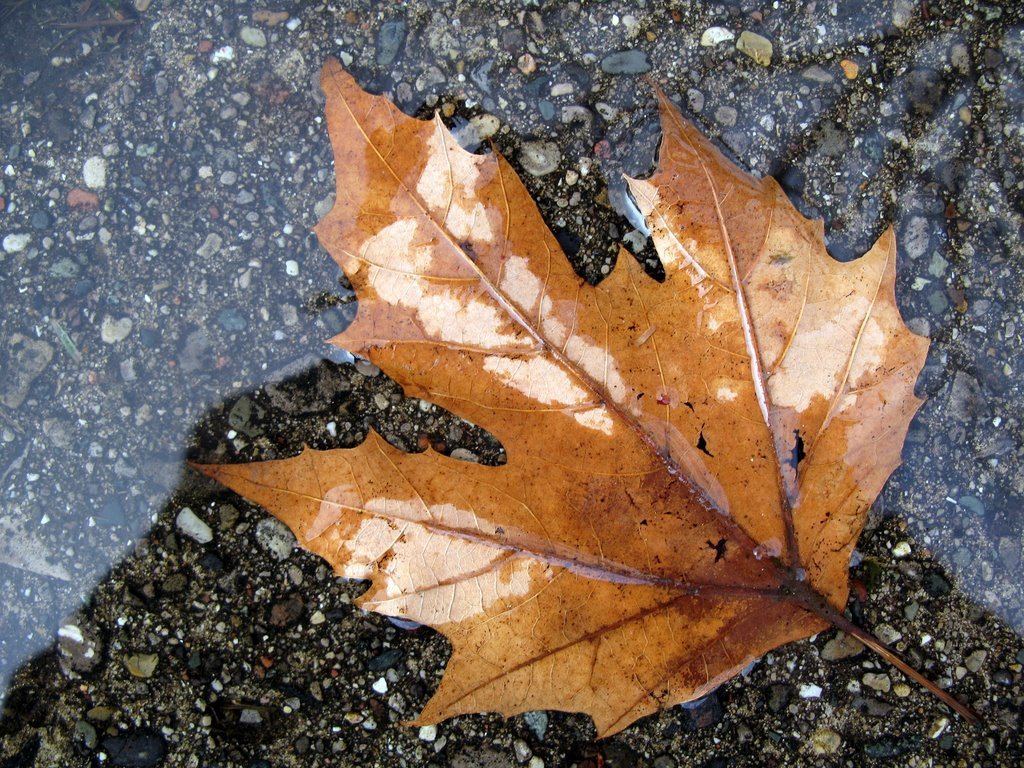
Burr Oak, Red Oak, Silver Maple and Sycamore. Posted by Picasa

Saturday, February 10, 2007

Robins!


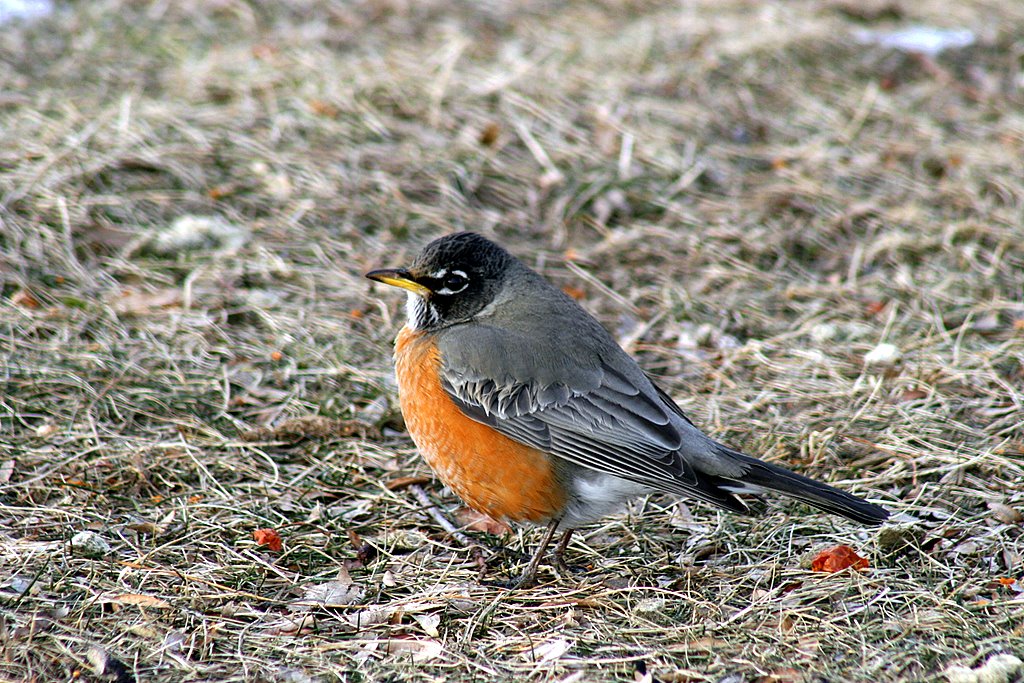
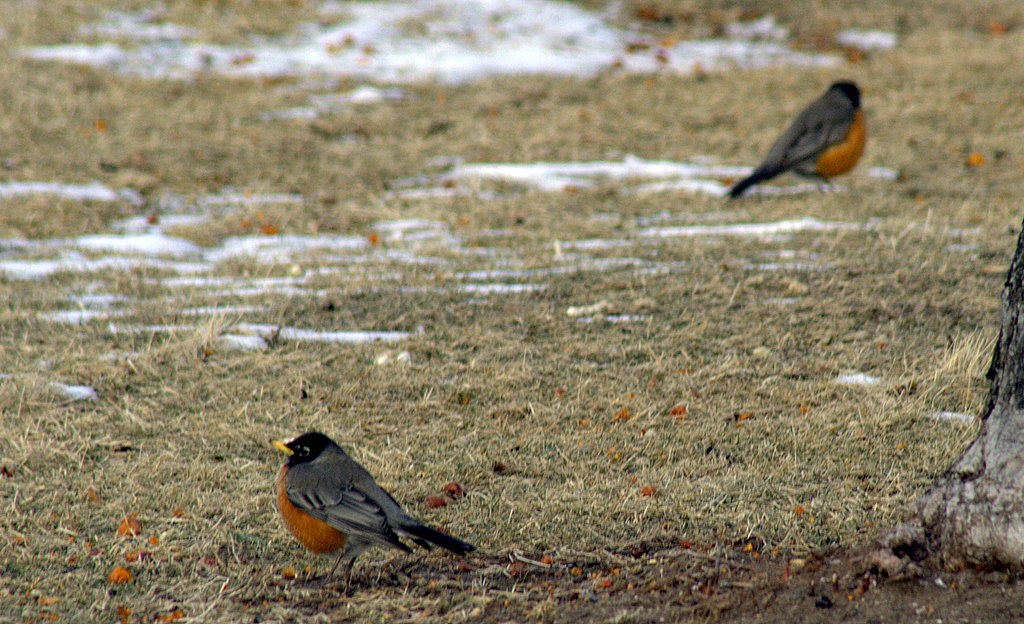
Robins don't al always migrate. Some spend the winter. But there are suddenly a lot in evidence that weren't obvious a short while ago. It's February, it's winter, it's cold! They are having to work hard for food and water.

They can't eat worms, so they are eating crab apples, and grabbing a drink from a hole in the ice. I don't want any harm to come to the poalr bears and penguins, the arctic foxes and ptarmigans, but I wouldn't mind a bit of warmth! Think worms for the robins? Posted by Picasa

Friday, January 05, 2007

Flower Photo Friday, unseasonal Flowers


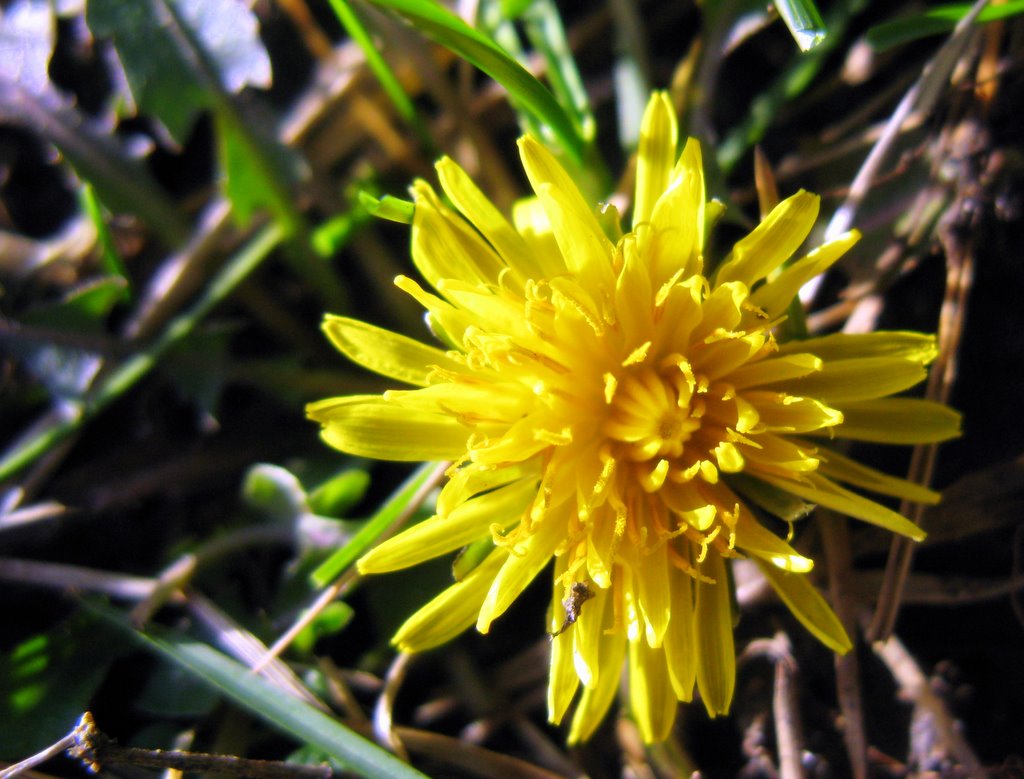
In Detroit, where I now live, there is usually snow on the ground in January, everything is frozen, and there are no flowers in evidence. But this year, the temperatures so far have been unseasonably warm and we have flowers in blossom.

Pansies are perrenials and opportunists--they will flower whenever they can. Flowering Kale is cold hardy--but not usually in January. Dandelions are spring flowers--and either they are confused or we're having a very early spring.

see more.Posted by Picasa

Thursday, January 04, 2007

Sidewalk "Fossils:" Squirrel tracks

It could almost be sand, but it's not. It's a sidewalk which contains the footprints of a squirrel. Front feet upper left, back feet lower right.

This is part of an ongoing series I am doing on sidewalk fossils, archeology, anthropology and art. I don't have a title for it, so let me know if you have any good ideas. Posted by Picasa

Wednesday, December 13, 2006

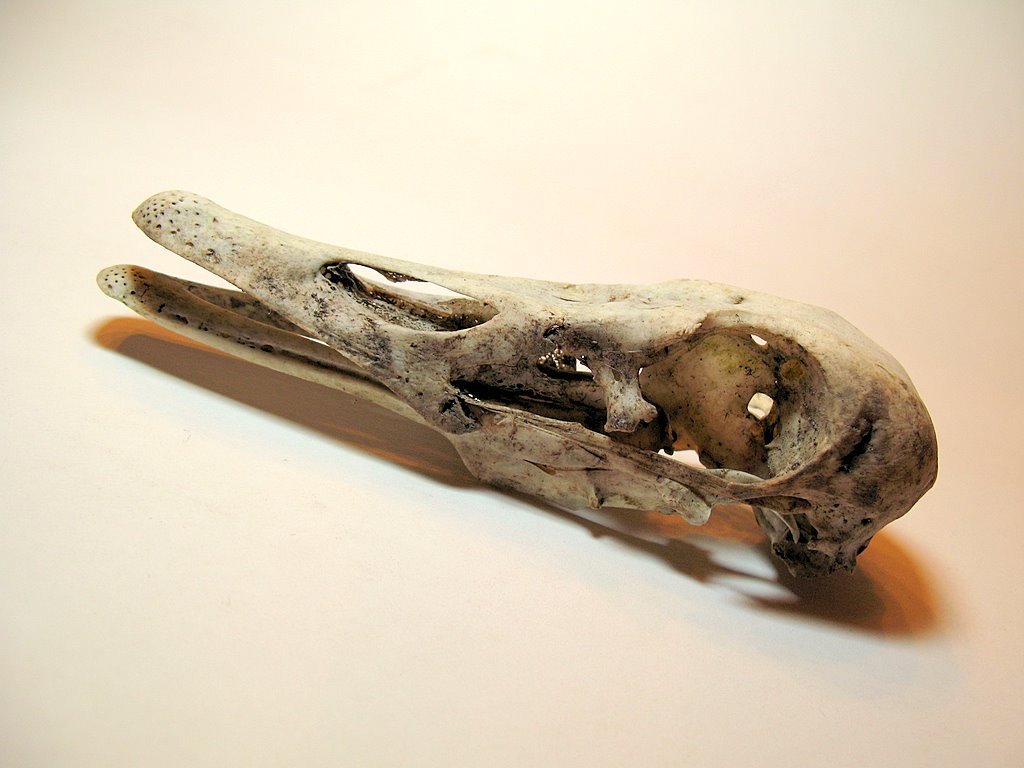
The Skull of a Canada Goose

I found several of these in Hamilton, Ontario, Canada on a penninsula of land that jutted into a bay that was used for huge ships loading and unloading cargo. I am sorry the geese died. I'm not sure what was responsible for their demise, but I was happy to find the skulls. They have not been cleaned.

This picture was part of the "first light" series from my new camera, Giovanna. I was using the big flash from my big cameras on her. Posted by Picasa

Sunday, November 26, 2006

Turning to Dirt

Along the dirt road that circles the Lake at Cranbrook, leaves were being crushed into the ground by passing construction vehicles. The almost seemed to disappear--but not quite. Posted by Picasa

Sunday, November 05, 2006

Invasive species: Black Swallowwort

Black Swallowwort taking over an area. Posted by Picasa

Coming up underneath

 Posted by Picasa

Tuesday, October 17, 2006

"What's That?"

Keith and I were walking along Moran on our way home from our nightly constitutional when we heard a strange quavering call. "What's that?" I asked. We stopped to listen. "A cat?" Keith asked? "It doesn't sound like a cat to me," I answered, "it sounds like a screech owl. Maybe it's a Halloween recording." Keith stopped and looked up into the closest tree--there was a lump up there. I got my binoculars out of my pocket and sure enough, it was a little screech owl. After we'd watched it a while, I decided to attempt a photo, but it flew just as I got the camera ready. We were pleased. We hadn't expected to have a nature encounter two doors down from our house in the city on a dark rainy night.

Saturday, July 15, 2006

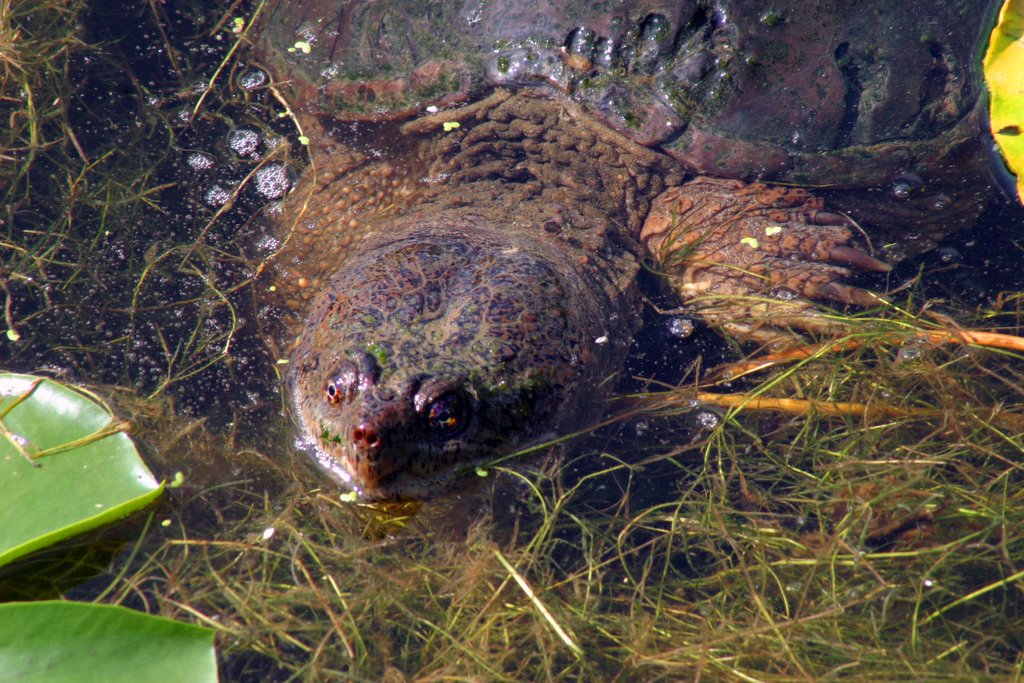
Snapping Turtle

Snapping Turtle, by Mary Stebbins, click image to view larger.

Rogers Environmental Education Center, Sherberne

Snapping turtles eat fish, ducklings, and dead animals. They have very powerful jaws. Algae grows on ther shells. Posted by Picasa

Tuesday, June 06, 2006

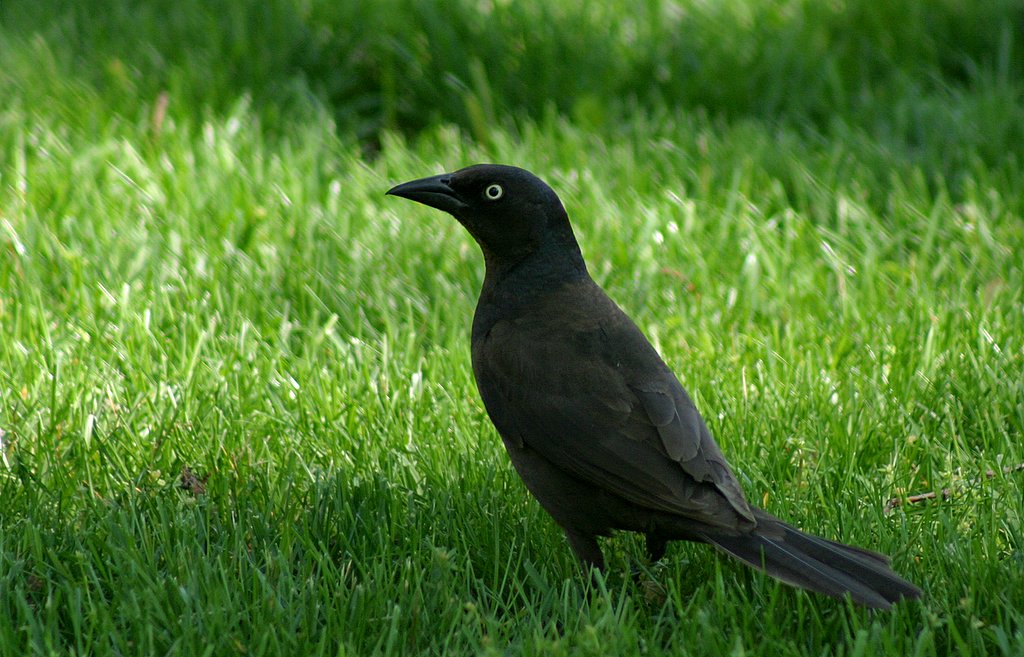
Grackle

Grackle, in our front yard this morning! photo by Mary Stebbins, click on image to view larger. I love the eye.


Common grackle Quiscalus quiscula
Identification Tips:
Length: 10-12 inches
Very long tail
Long bill
Frequently gathers in large flocks
Adult:
Entirely black plumage
Entirely purple or purple and greenish iridiscence to plumage
Pale eye
Juvenile:
Dark eye
Dark brown plumage
Similar species:
The Common Grackle is similar to blackbirds but is larger with a much longer tail. Male Great-tailed and Boat-tailed Grackles are similar but larger with longer tails.
Length and wingspan from: Robbins, C.S., Bruun, B., Zim, H.S., (1966). Birds of North America. New York: Western Publishing Company, Inc. Posted by Picasa

Wednesday, May 31, 2006

Coyote

Coyote Posted by Picasa

Sunday, May 21, 2006

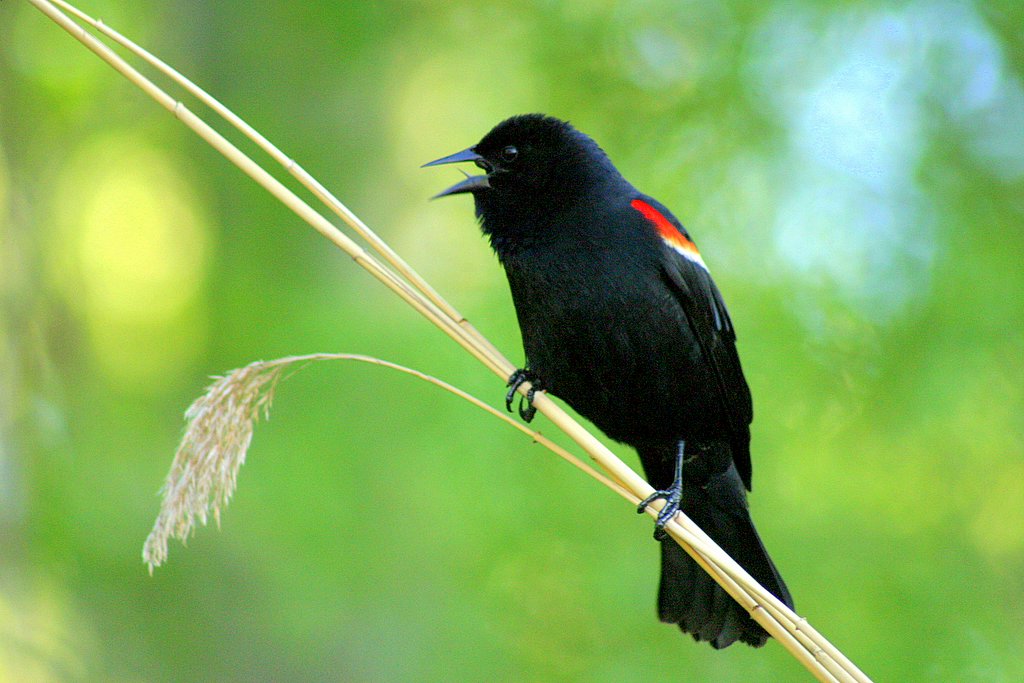
Redwing on Phragmites, Detroit Metrobeach

Redwing on Phragmites, Detroit Metrobeach, by Mary Stebbins. Click image to view larger.


We had an exciting walk at Detroit Metrobeach yesterday. We saw baby bunnies playing with what could only be called joy. We saw a bald eagle circle over the pond where we were watching swallows skim the surface fo the water and a huge snapper trying to soak up the sun. We saw geese with young geese and red-winded blackbirds and robins and so many other interesting things.

This red-winged black bird male was singing it heart out, marking its territory. Posted by Picasa

Monday, May 15, 2006

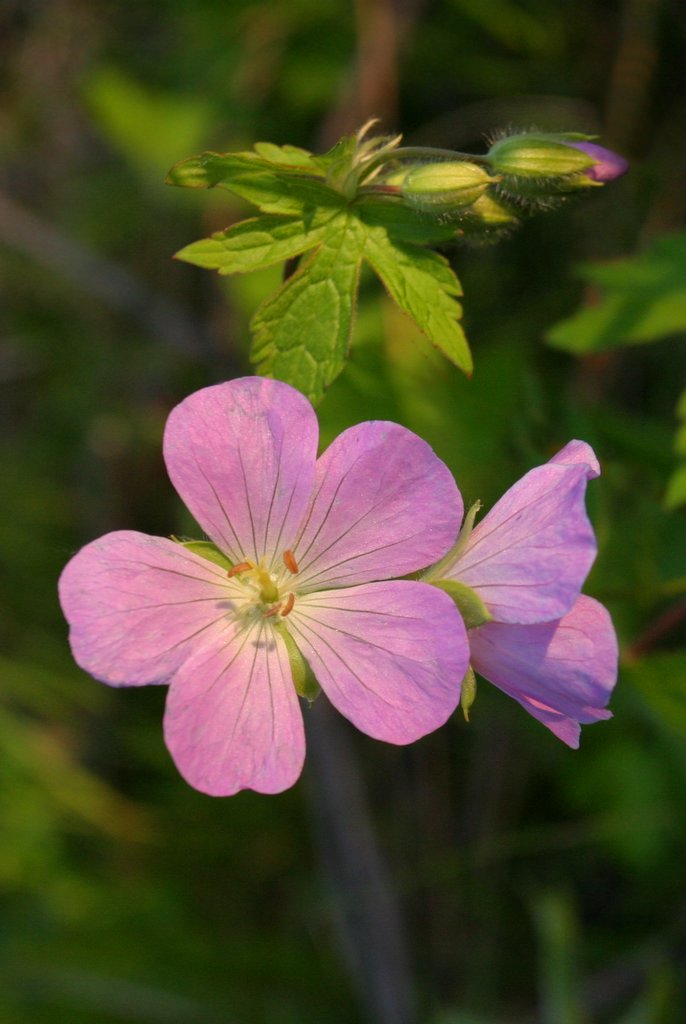
Wild Geranium

Wild Geranium, Geranium maculatum.

• Family: Geranium (Geraniaceae)
• Habitat: woods• Height: 1-2 feet
• Flower size: 1 to 1-1/2 inches across
• Flower color: lavender, pink, white
• Flowering time: April to June
• Origin: native Posted by Picasa

Wednesday, May 03, 2006

Marsh Marigolds

Marsh Marigolds, or Caltha palustra, photo by Mary Stebbins. Click on image to view larger. Also called "Cowslips," Marsh marigold are edible--but before they flower. They become very btter once they flower. They brighten up the swamps and wetlads in the early spring.

These are in flower today at Great Bear Farms near Phoenix, NY. Posted by Picasa