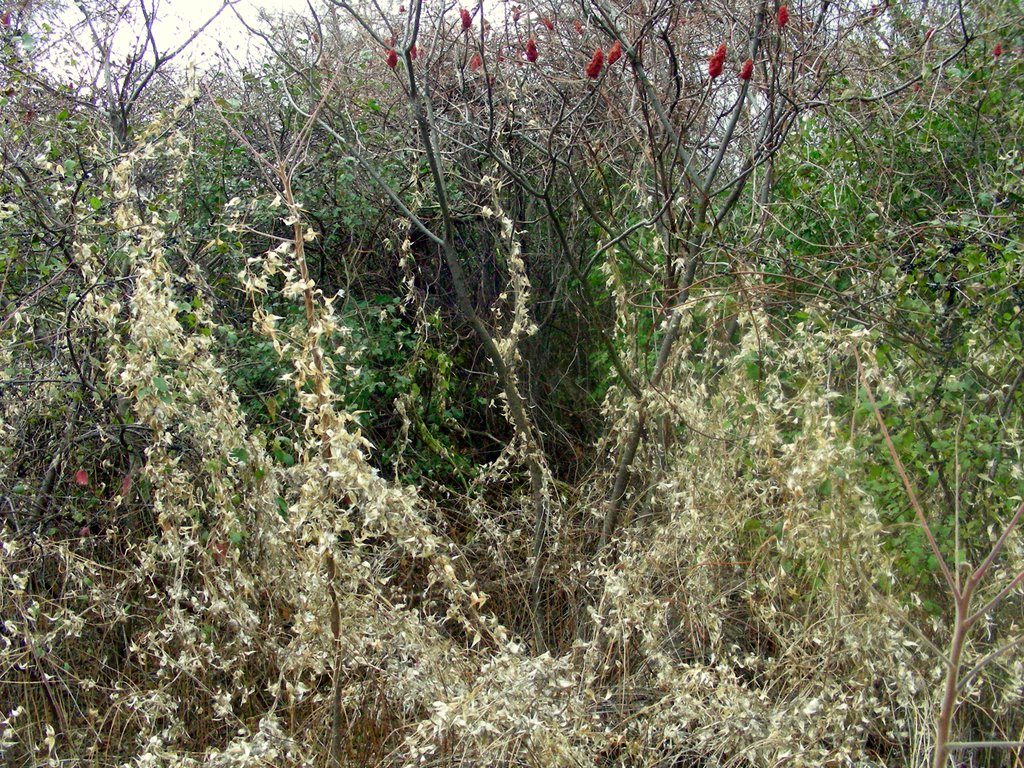
lovely sight it is indeed when all the leaves are gone from the trees
and winter is coming to see all those bright sunny flowers. Yes, I
was planning to subsume this blog into another, but I don't have time
right now.


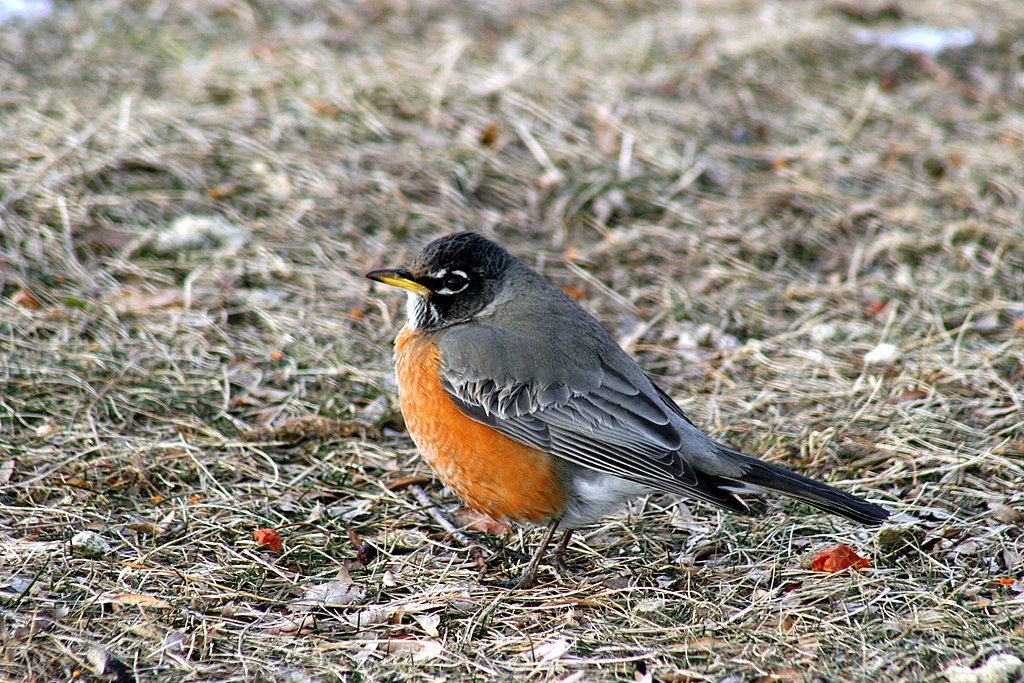
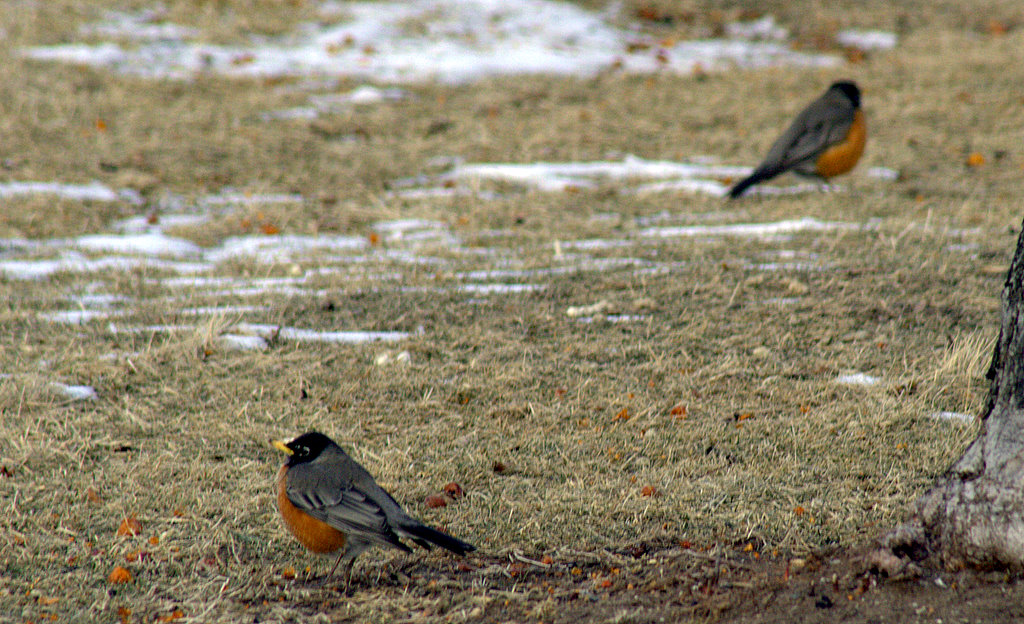 Robins don't al always migrate. Some spend the winter. But there are suddenly a lot in evidence that weren't obvious a short while ago. It's February, it's winter, it's cold! They are having to work hard for food and water.

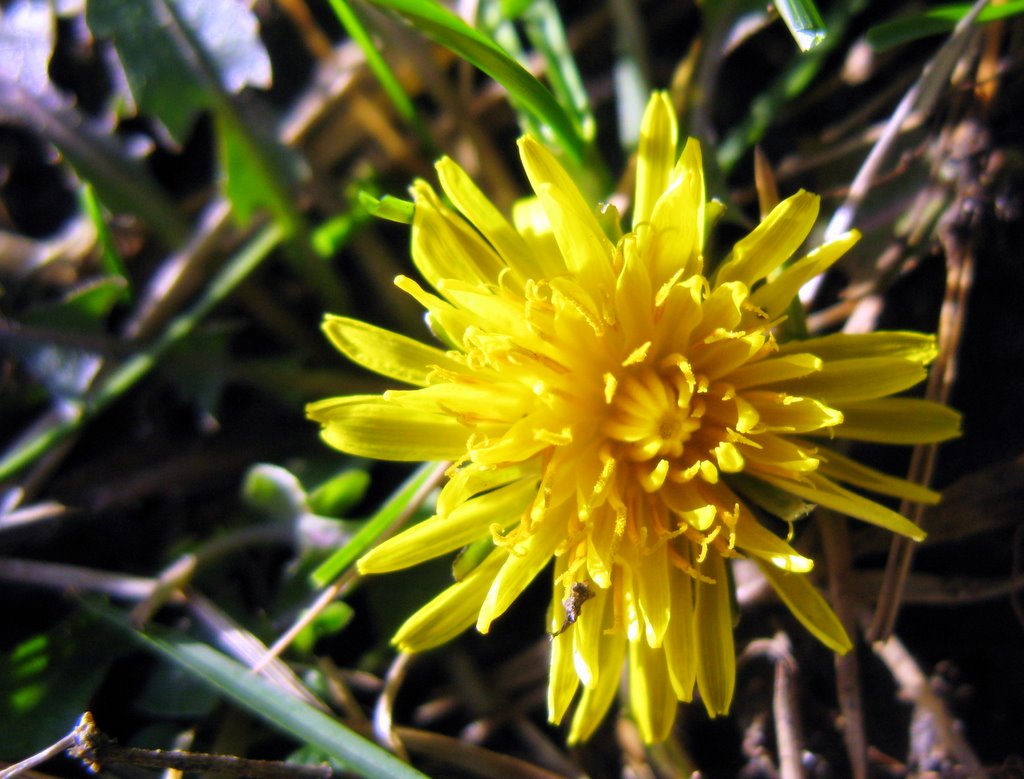
 In Detroit, where I now live, there is usually snow on the ground in January, everything is frozen, and there are no flowers in evidence. But this year, the temperatures so far have been unseasonably warm and we have flowers in blossom.
 It could almost be sand, but it's not. It's a sidewalk which contains the footprints of a squirrel. Front feet upper left, back feet lower right.
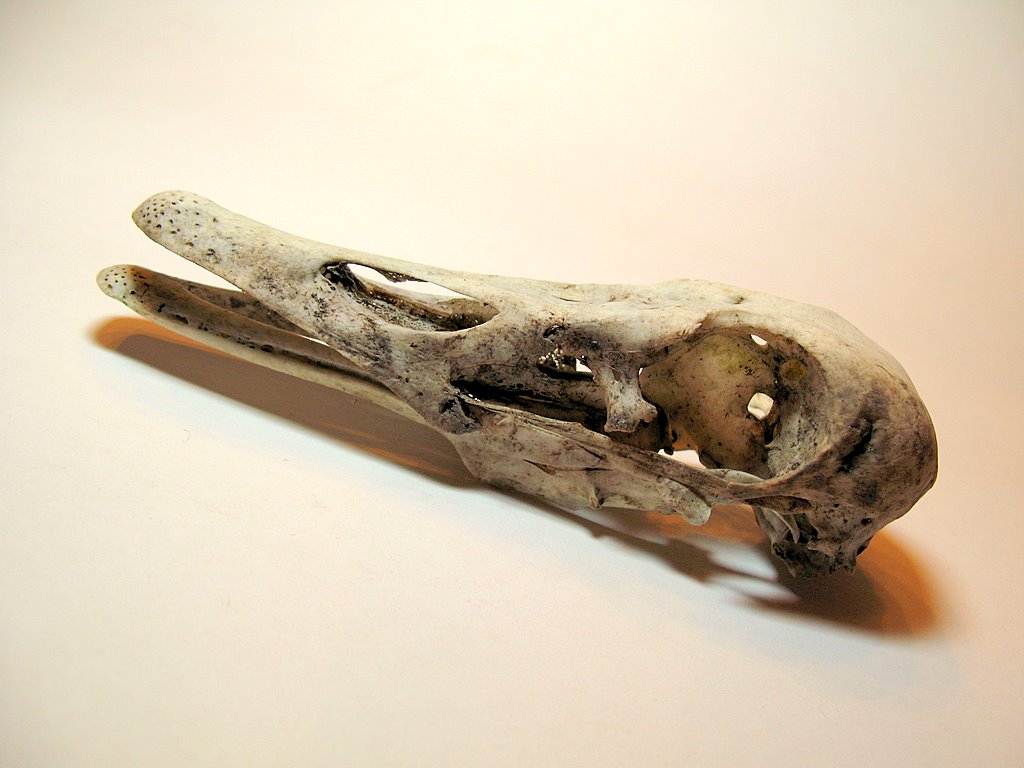 I found several of these in Hamilton, Ontario, Canada on a penninsula of land that jutted into a bay that was used for huge ships loading and unloading cargo. I am sorry the geese died. I'm not sure what was responsible for their demise, but I was happy to find the skulls. They have not been cleaned.
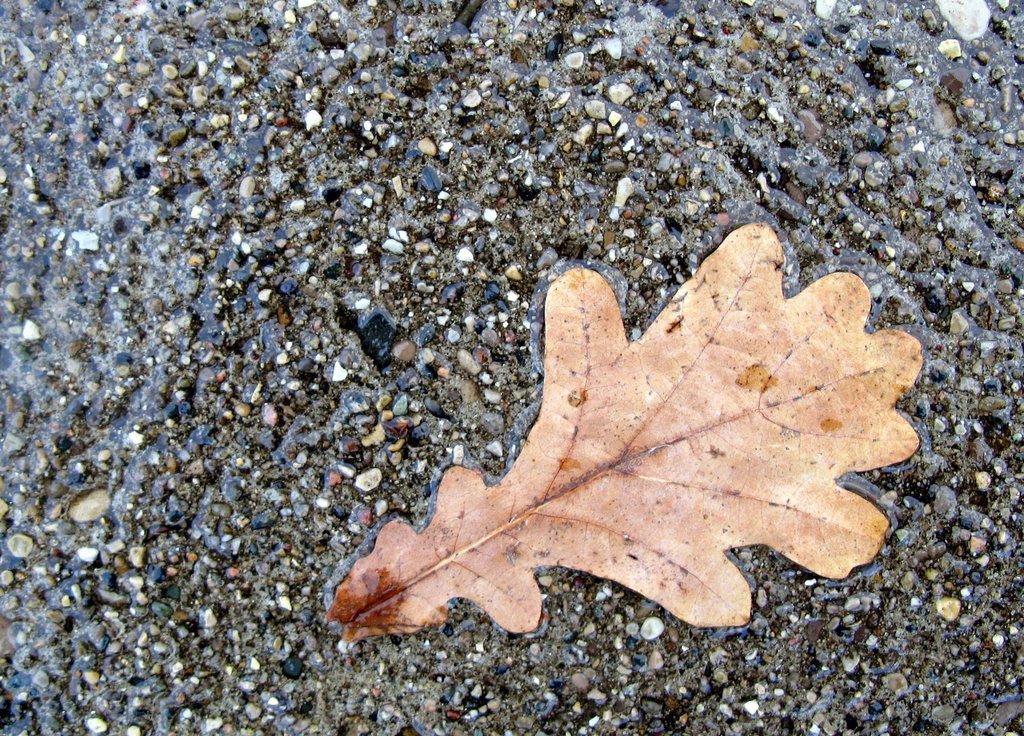
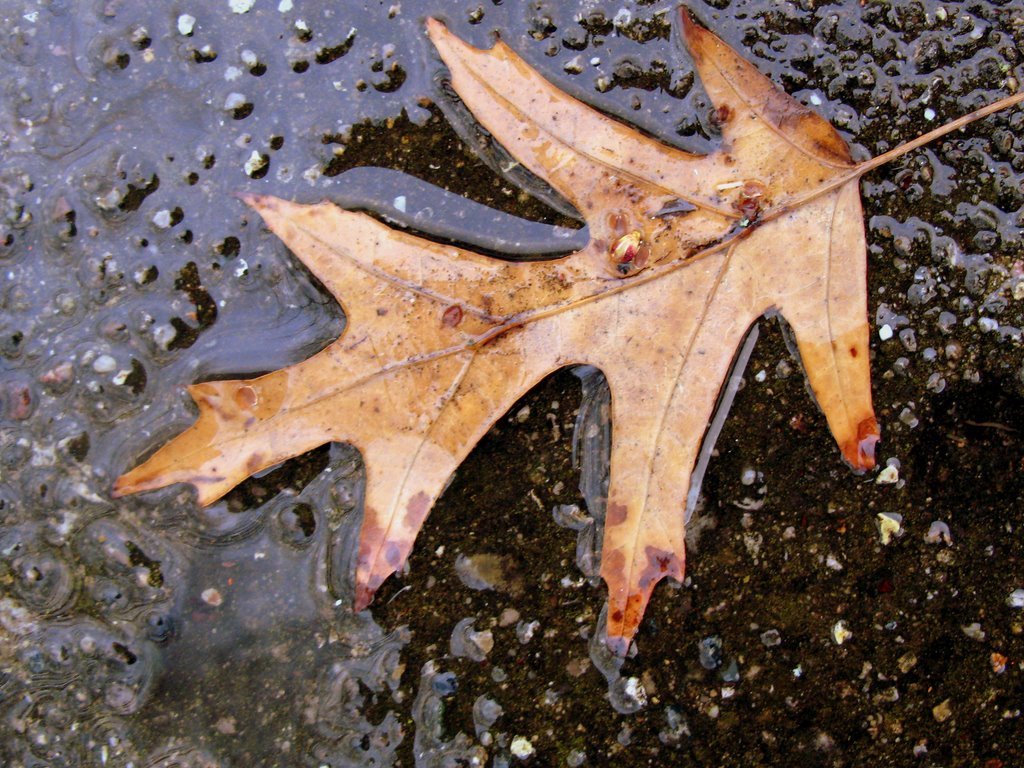
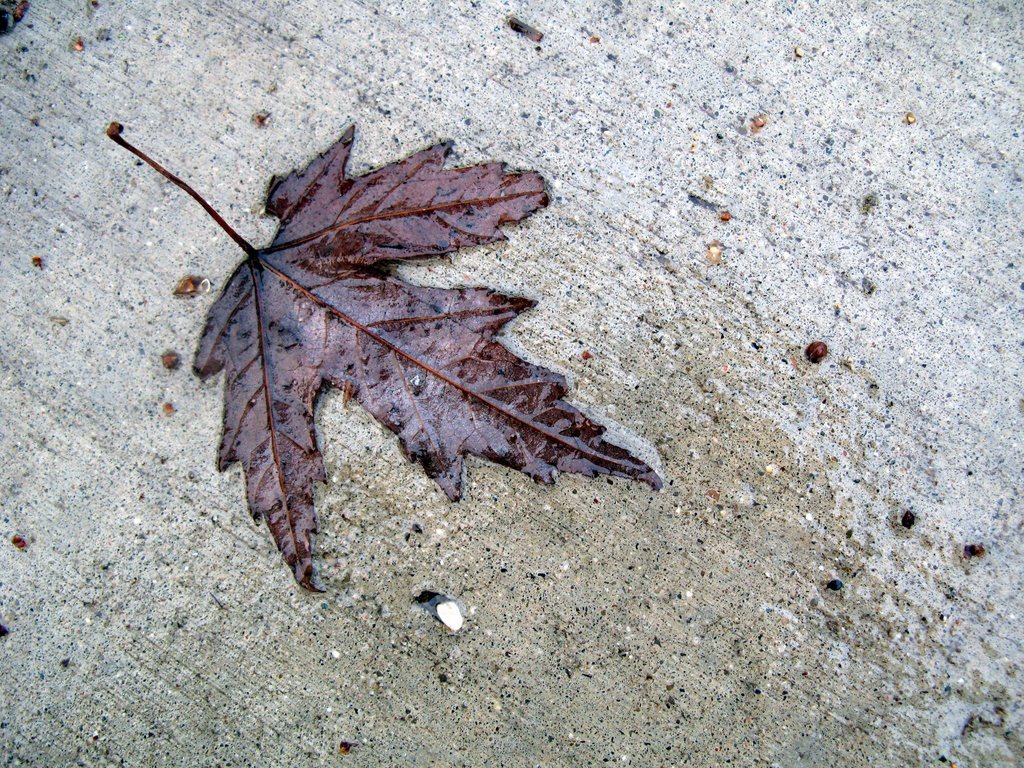
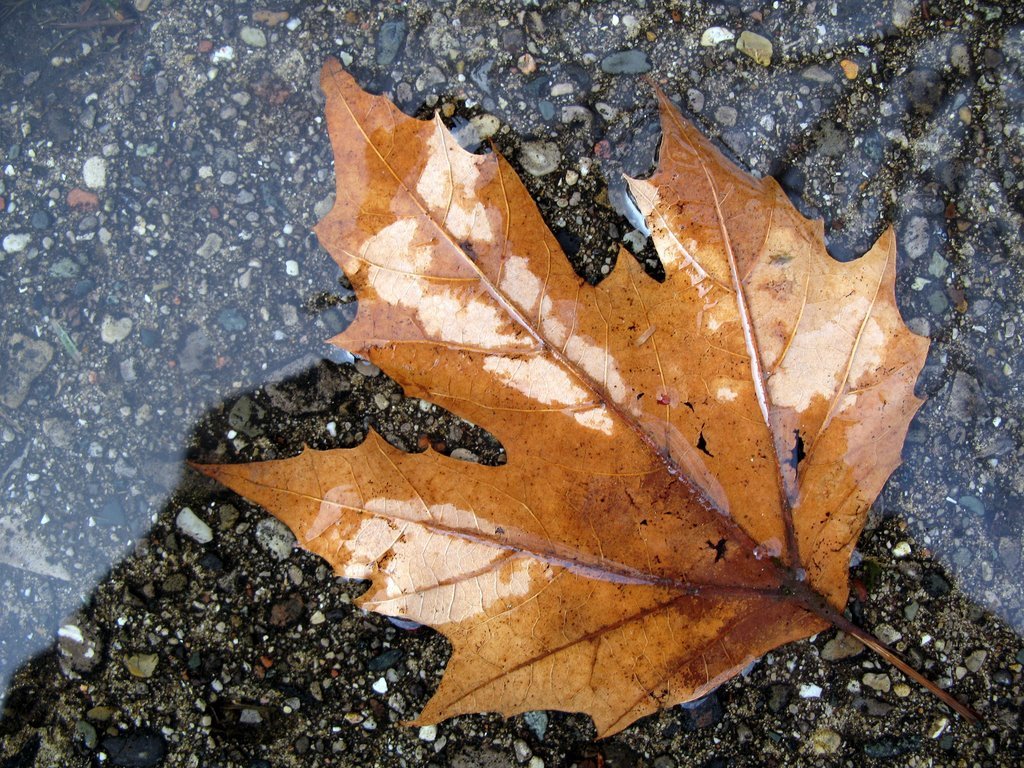
 Along the dirt road that circles the Lake at Cranbrook, leaves were being crushed into the ground by passing construction vehicles. The almost seemed to disappear--but not quite.
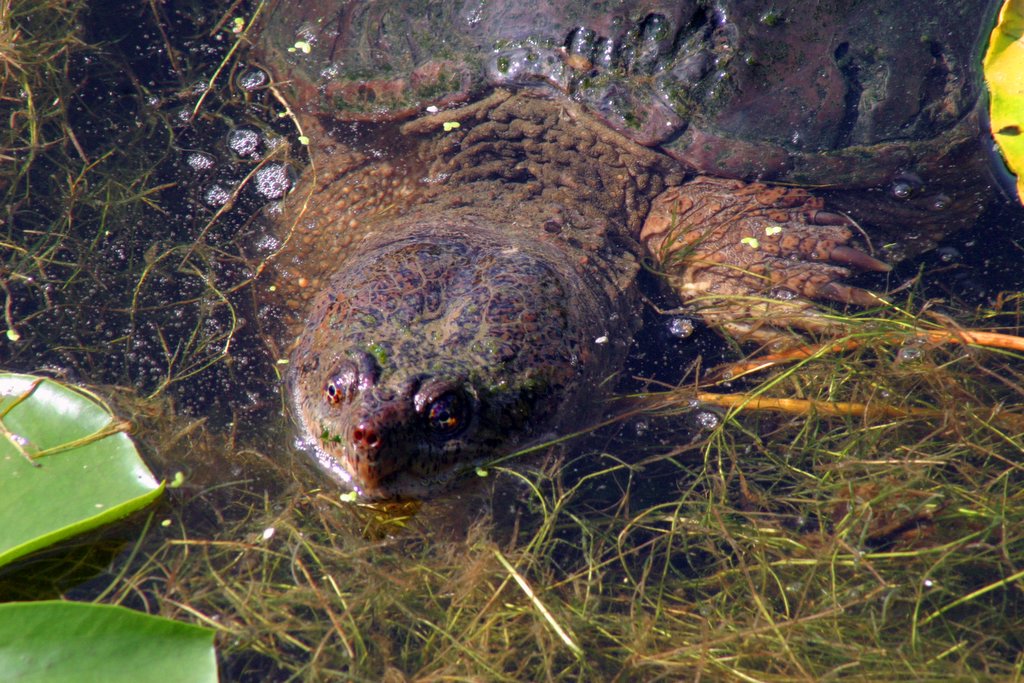 Snapping Turtle, by Mary Stebbins, click image to view larger.
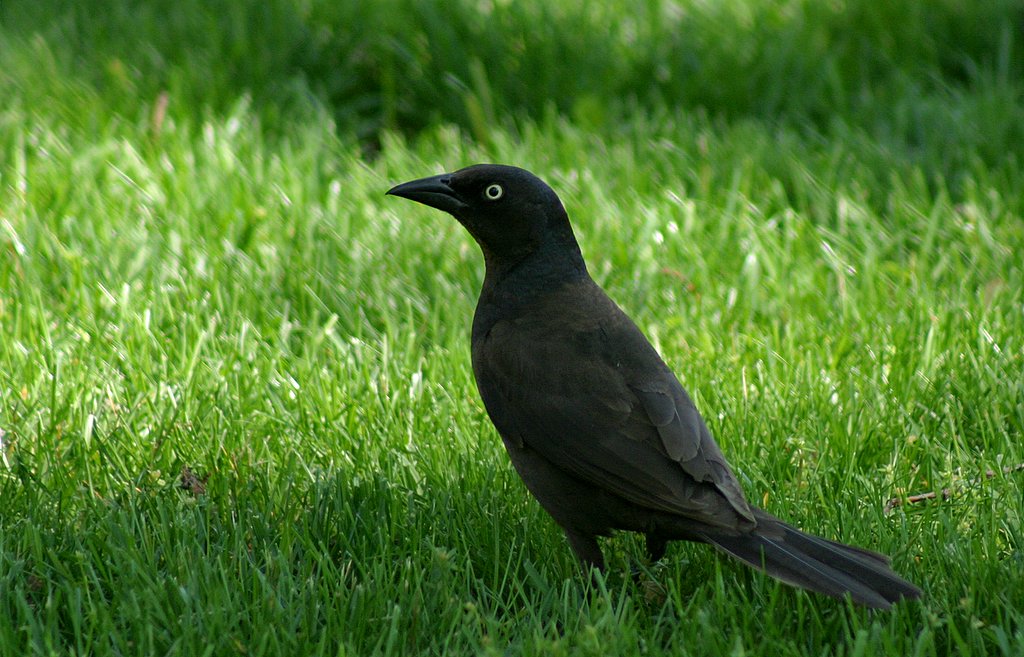 Grackle, in our front yard this morning! photo by Mary Stebbins, click on image to view larger. I love the eye.
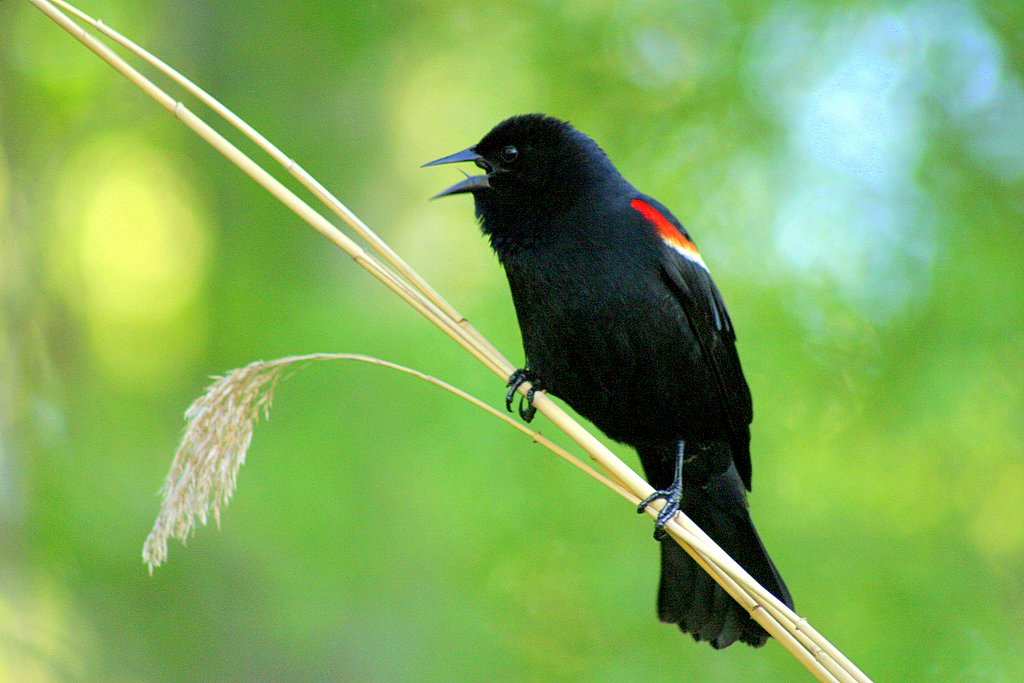 Redwing on Phragmites, Detroit Metrobeach, by Mary Stebbins. Click image to view larger.
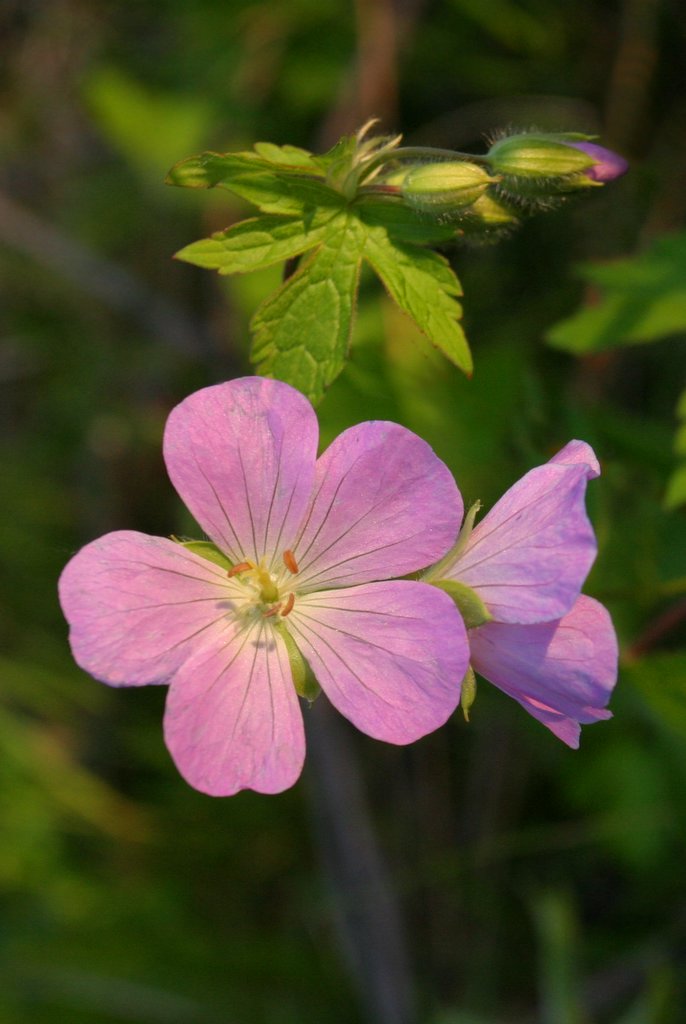 Wild Geranium, Geranium maculatum.
 Marsh Marigolds, or Caltha palustra, photo by Mary Stebbins. Click on image to view larger. Also called "Cowslips," Marsh marigold are edible--but before they flower. They become very btter once they flower. They brighten up the swamps and wetlads in the early spring.
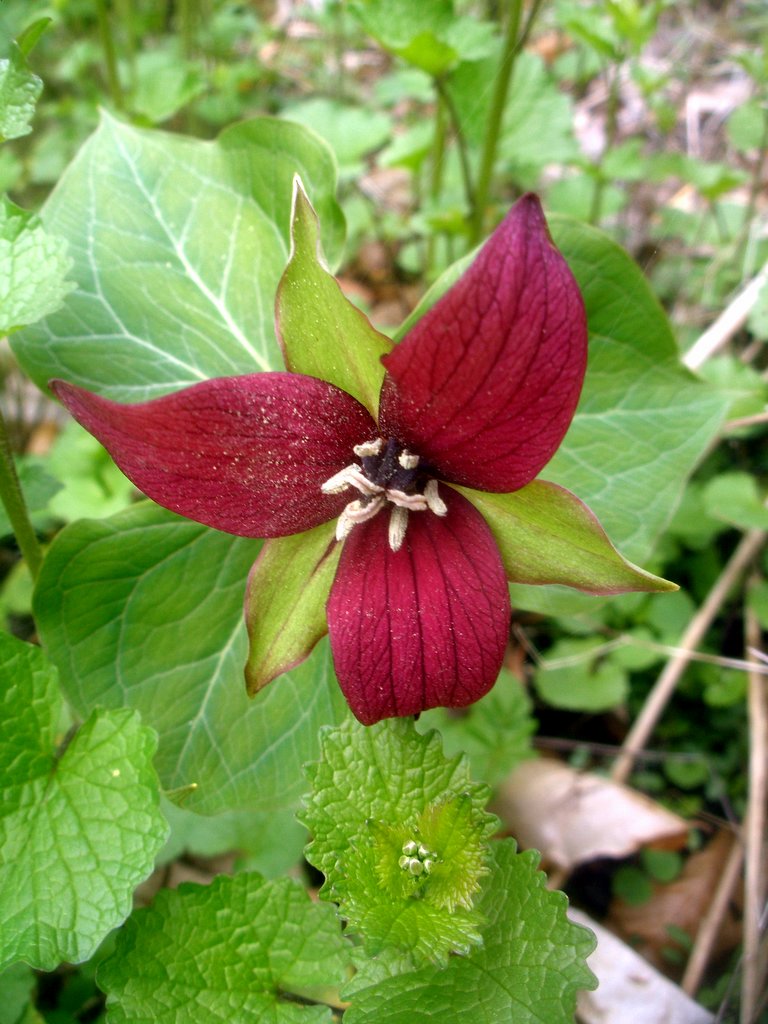 The Wake Robin, or Red Trillim is out in force in the spring woods today. Red Trilliums are fertilized, in part, by carrion flies. They have two odors, a sweet pleasant small for bees ad a terrrible rotting meat smell of carrion beetles. When the red trilliums reach peak flowering, the black flies start biting. And the morels are out. Photo by Mary Stebbins, Click on image to view larger.
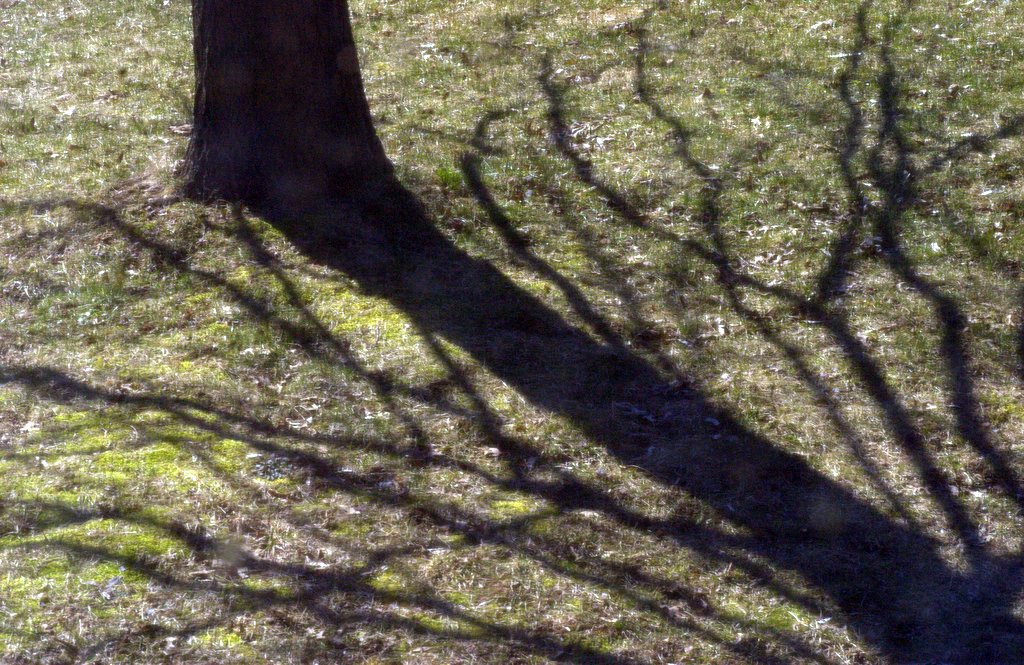 Shadows: excurrent branching, photo y Mary Stebbins. Click on image to view larger.
 Milkweed Pod, left over from last year. Photo by Mary Stebbins. The eeds releasing now in spring will be growing int new milkweeds and feeding the monarchs soon. Clcik on image to view larger.
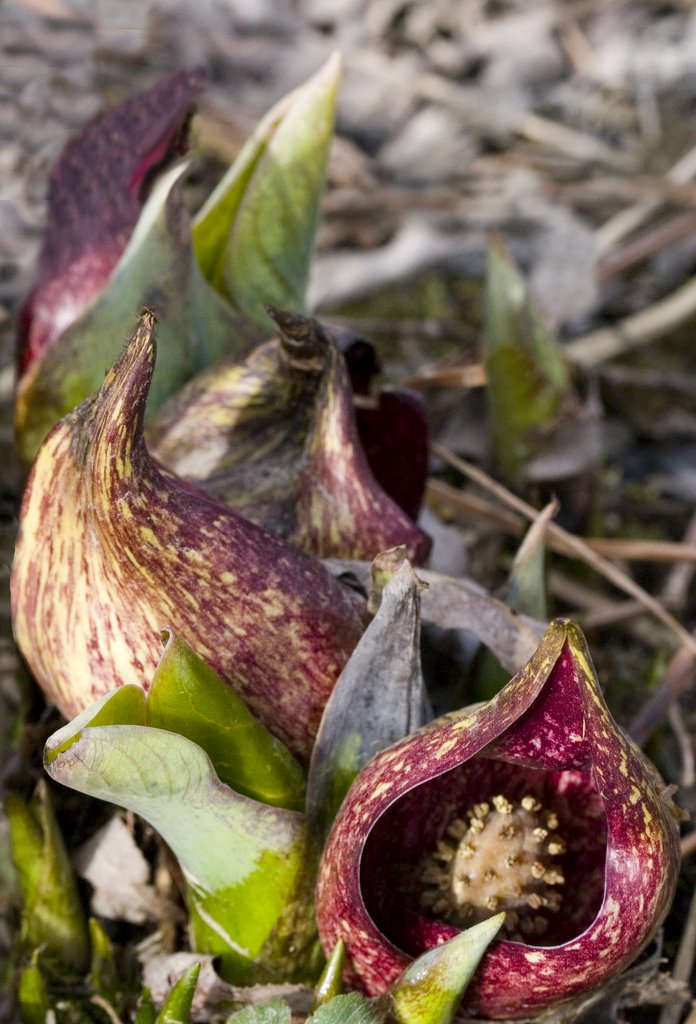 Season/signs of spring: Skunk Cabbage Flowering, taken 3-27-06 at Hamlin. In upstate NY, one of the signs of sring is the flowering of the skunk cabbage in the swamps, and here it is, in full flower.Click on image to view larger. Photo by Mary Stebbins
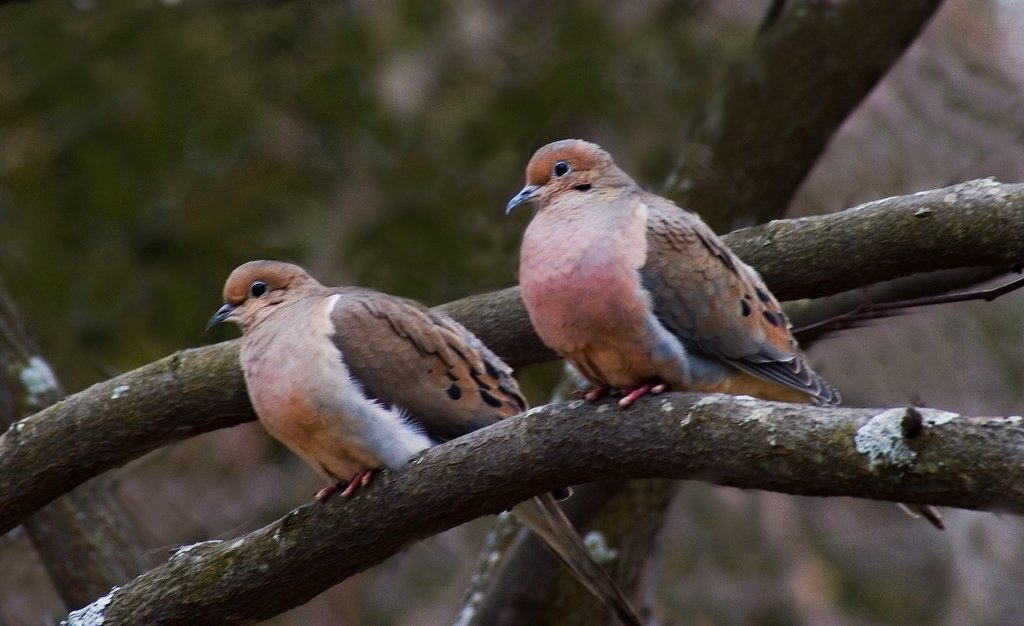 Mourning Doves, photo by Mary Stebbins. Click on image to view larger.